
Donate to Gaza Appeal
for Children in Crisis
Donate to our Gaza appeal
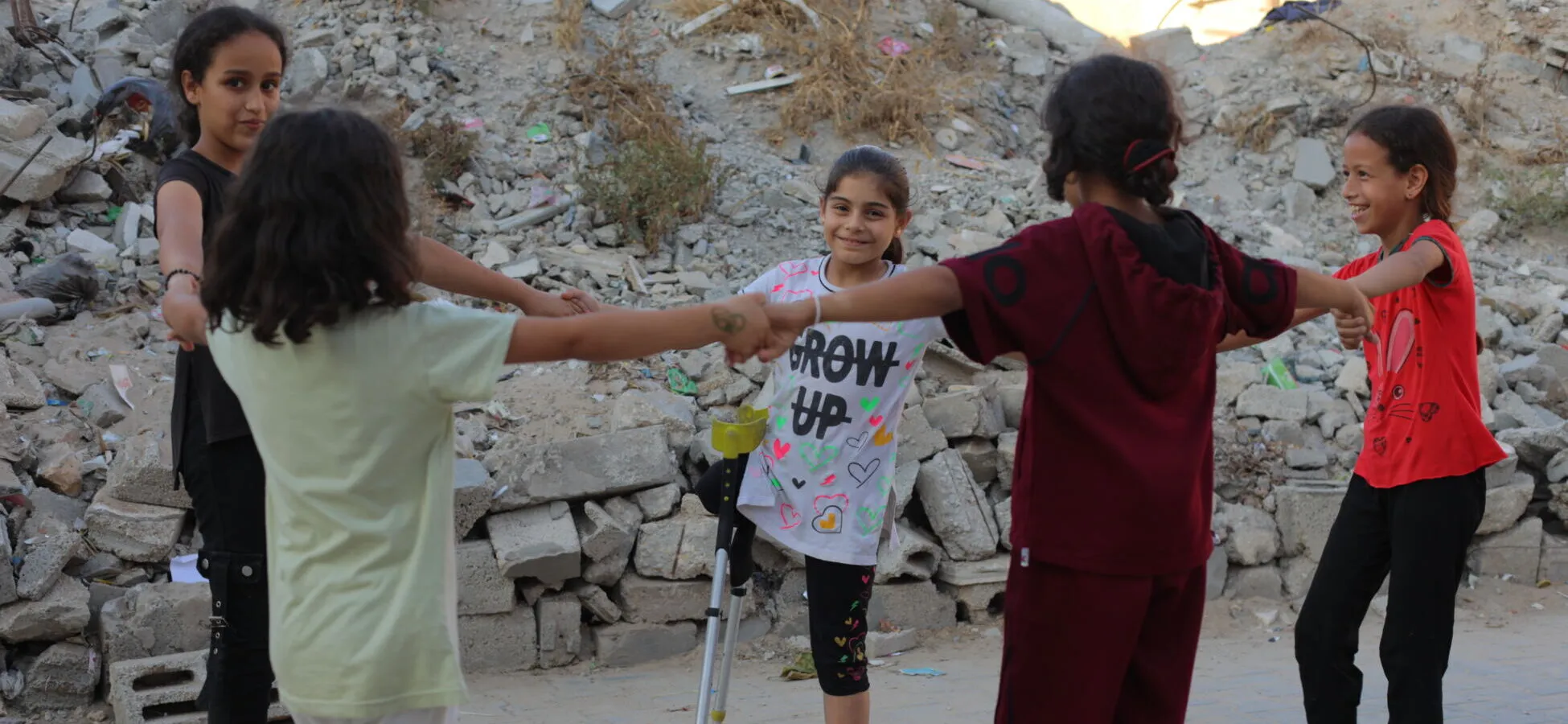
Children and families face another harsh winter in Gaza.
More than eight in ten families are still living in tents, overcrowded areas or bombed-out buildings.
Without adequate shelter, children have little protection from the cold, rain and flooding and have increased exposure to hypothermia and other preventable illnesses. The repeated flooding further disrupts access to healthcare, safe water and essential services.
Children in the State of Palestine are not safe. Despite the ceasefire announced in October 2025, more than 340 children have been reported killed in Gaza since then. Hundreds more have been injured.
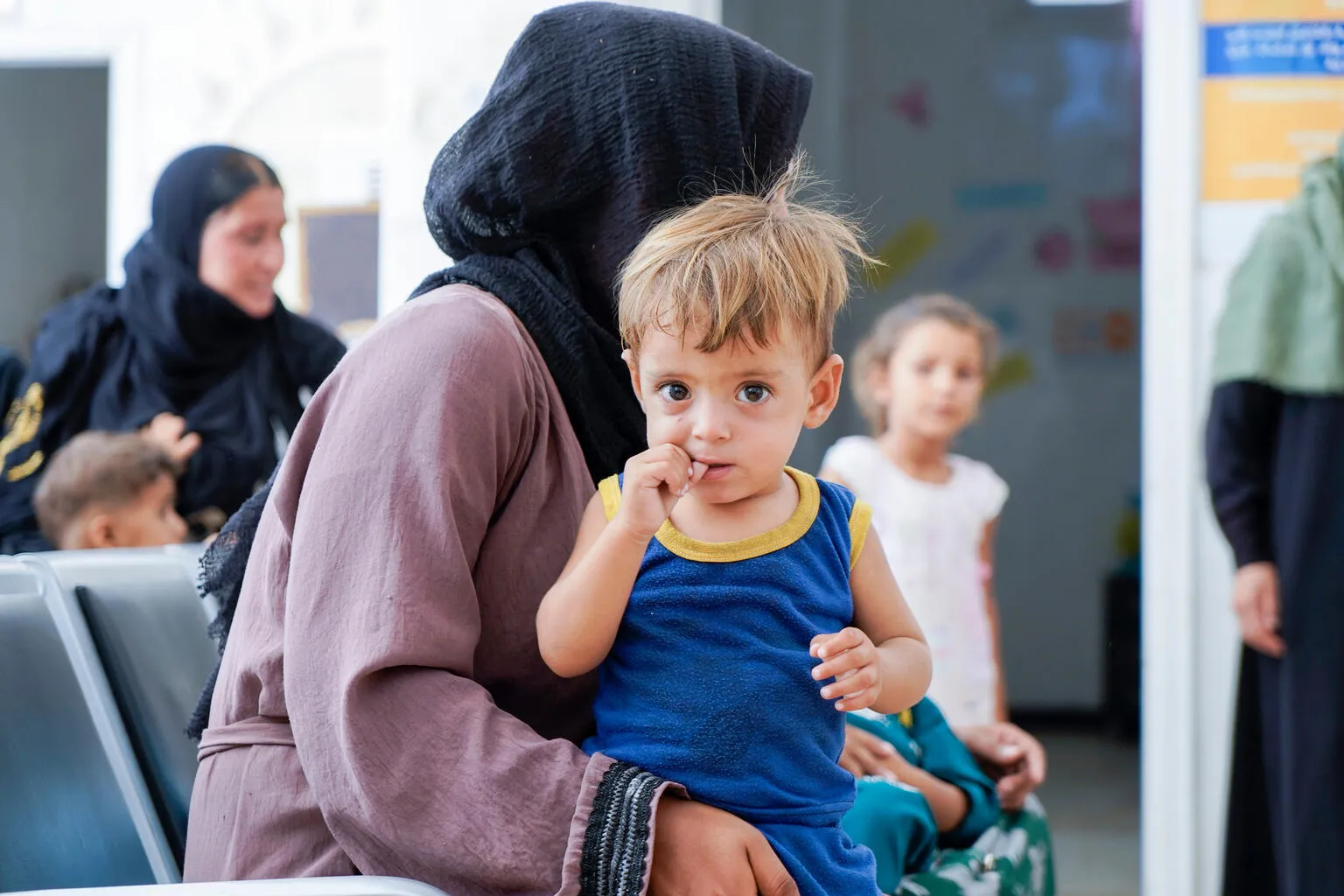
Children across Gaza urgently need access to healthcare, safe water, nutrition and protection. With winter approaching, families already facing unimaginable hardship are at further risk.
Donate now to help us keep more children safe.
How is UNICEF supporting children in Palestine this winter?
This winter, UNICEF and our partners aim to provide
- Warm winter clothes for 500,000 children in Gaza, helping protect them from the cold and winter-related illnesses.
- Half a million thermal blankets to help keep children and their families warm, especially during cold nights.
- Cash support for 10,000 highly vulnerable families.
- Emergency shelter, including waterproof tarpaulins to help protect damaged shelters and high performance tents to keep essential services running.
You can help us support children and families in the wider State of Palestine to rebuild for tomorrow by donating today.
How to donate to Gaza
One of the best ways to donate to Gaza and the wider State of Palestine is through a monthly direct debit.
A monthly donation enables us to provide continuous support to children when they need it most, through vital food, access to healthcare and a safe space. Children should not have to live in fear of hunger or conflict. Your donation can help protect children in Gaza.
However you choose to donate, you will be helping to make a difference to the lives of children.
For the first 3 months, your monthly Gaza donation will go towards funding our work to support children in Gaza and the wider State of Palestine. After that, donations will go to support our work around the world. Any Gift Aid claimed on donations made to this appeal will support UNICEF’s work around the world.
In the unlikely event that the funds raised exceed what’s needed for the Gaza emergency appeal, or if funds cannot viably be directed to this appeal, we will direct funds to support our work to help keep children safe and healthy around the world. Find out more ways to donate to Palestine.
FAQs
We are calling for:
- Complete, unrestricted humanitarian access for all supplies and services through all entry points
- Sustained respect for international humanitarian law
- Urgent funding to deliver at scale
- A meaningful ceasefire
We are an impartial, non-political humanitarian organisation.
While we continue to report on and advocate for the protection of all children in both Gaza and Israel, our humanitarian response is driven by the need for aid in Palestine.
In high-income countries such as Israel, the State usually provides the supplies and services for children that we undertake or support in lower-income countries.
There is a National Committee for UNICEF in Israel – the Israeli Fund for UNICEF – that works to promote and raise awareness of children’s rights in Israel and to raise funds for our work across the world. You can find out more about its work here.
If you’re in the UK and would prefer to donate to Gaza by phone, you can call our dedicated donation line: 0300 330 5699.
You can send in your cheque, made payable to UNICEF UK, to the Donations Team, UNICEF UK, 1 Westfield Avenue, Stratford, London E20 1HZ. Please include a covering letter with your name and address details.
Restrictions on aid and access are limiting our ability to reach children at the scale needed and preventing vital supplies and services from reaching families quickly enough.
Despite the challenges, we are continuing to provide:
- Clean water to more than 1.5 million people each month
- Support to over 200 nutrition sites
- Cash assistance to families
- Accessible education so children can continue learning