Emergencies
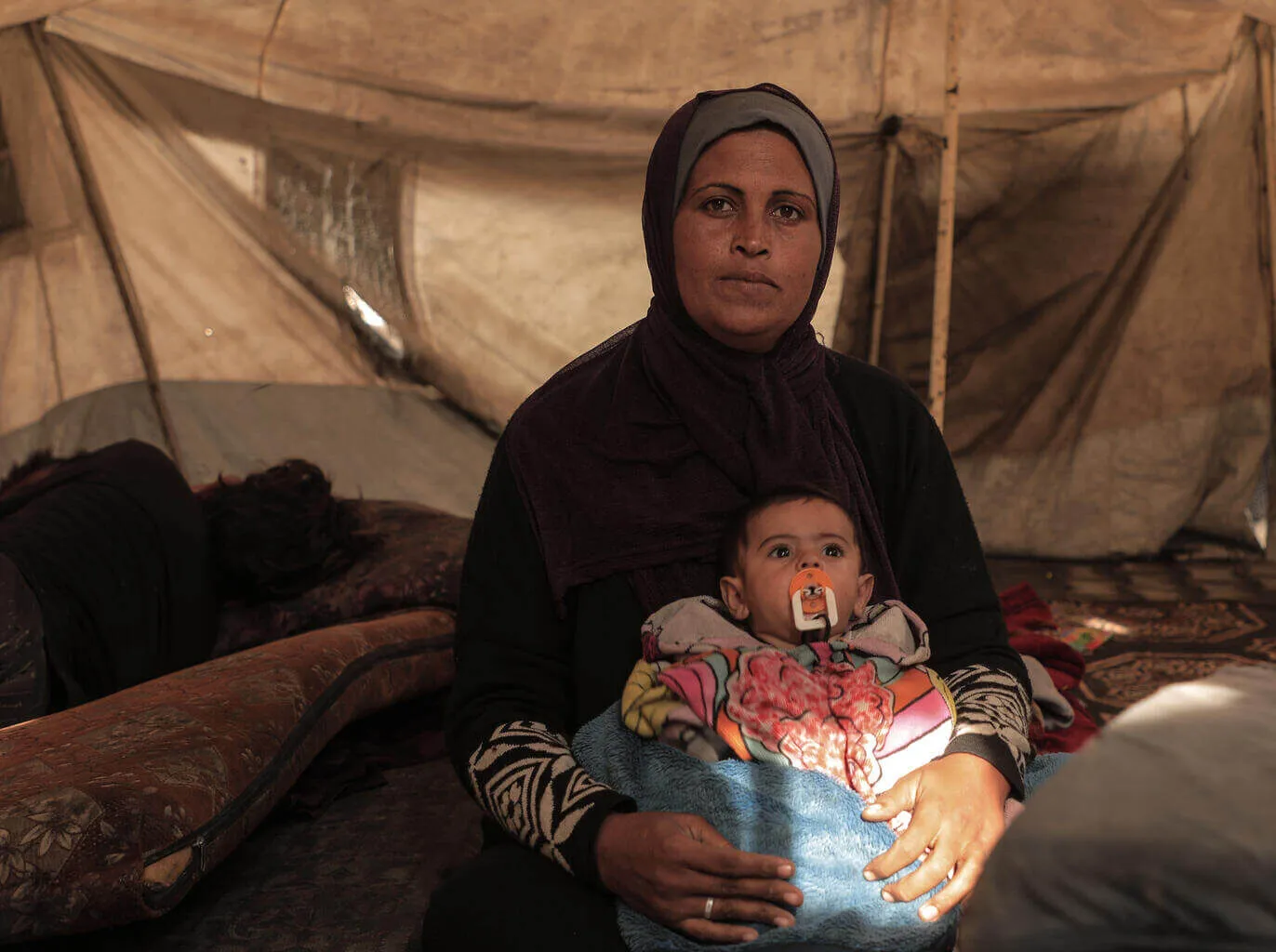
Find out how we provide vital support to children and families through our Children’s Emergencies Fund.

Wherever there are children, there is childhood, and we are here to protect it.
Millions of children around the world are growing up without access to their most basic needs. As a children’s charity, we work with local communities, partners, and governments to promote children’s rights and deliver essentials like healthcare, education, nutrition, and safe water.
When emergencies strike, we act fast. We run the largest humanitarian supply warehouse in the world—think Amazon, but for lifesaving aid—ready to reach children and families with urgent help.
Our work goes beyond emergencies. We also focus on solving long-term challenges by tackling the root causes of inequality, working together towards a better future for every child.
Our programme of work is designed to create lasting change for children across the world, from protecting children in emergencies to strengthening health, education and child protection systems. Ultimately, each area plays an important role in helping children survive and thrive.

Find out how we provide vital support to children and families through our Children’s Emergencies Fund.

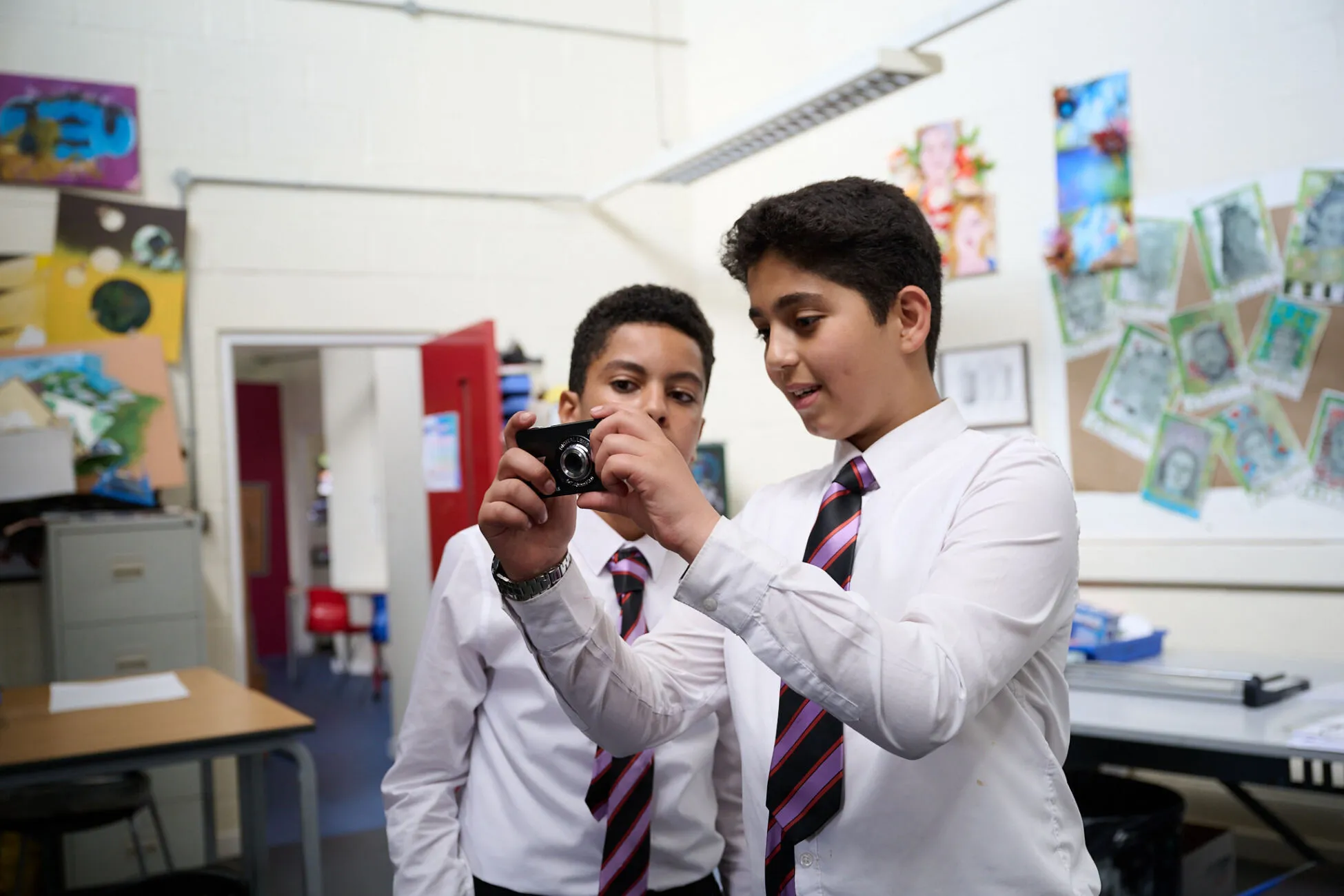
Explore how we are enabling children to access a quality and inclusive education through remote learning and more.

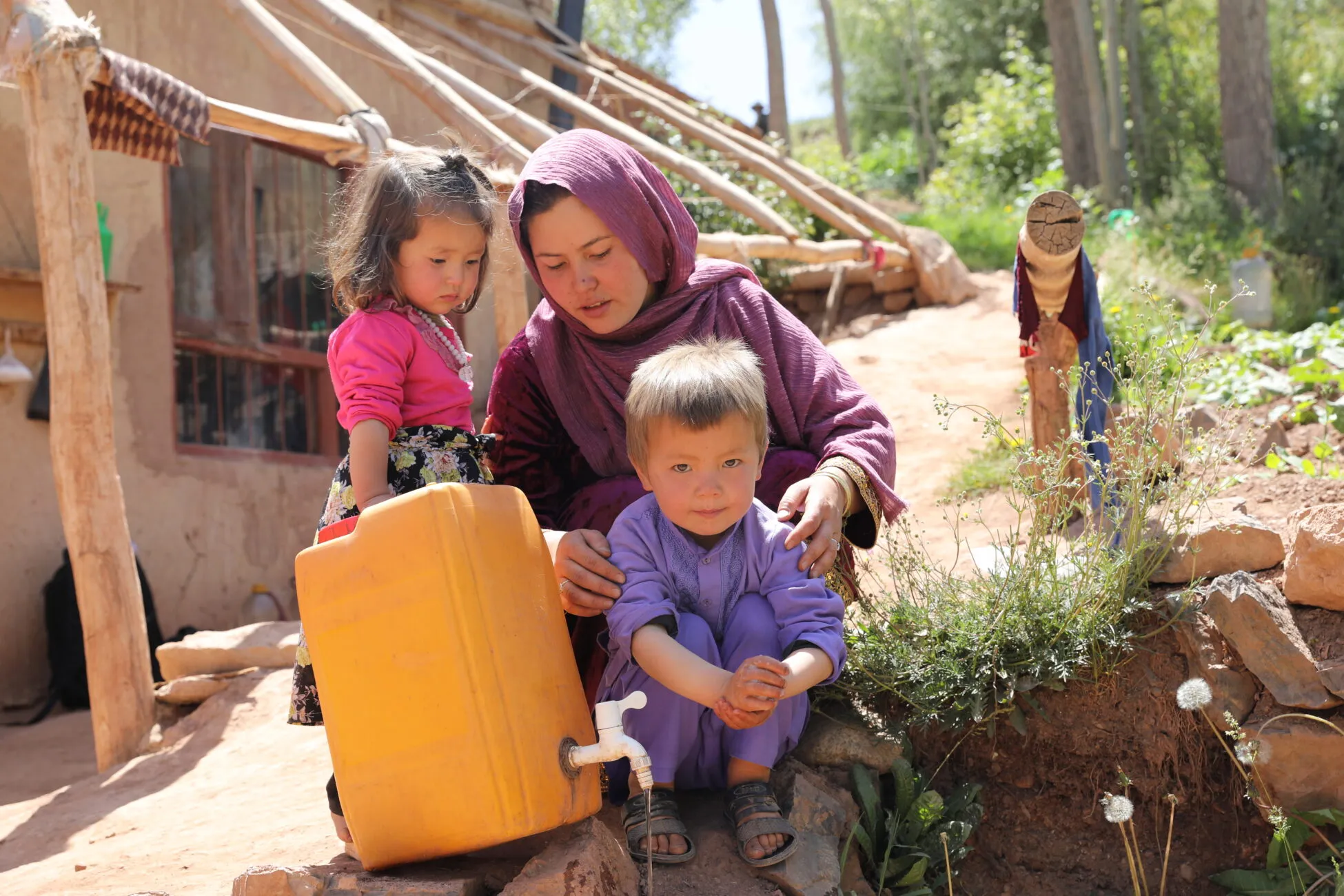
Understand how we work with our partners to build systems for water, sanitation and proper hygiene to ensure families can grow up healthy and safe.

Find out how we procure vaccines to help protect children and families from deadly diseases, no matter the circumstance.

Discover how we work alongside health services to diagnose and treat children suffering from malnutrition.

Read about how we collaborate with governments and communities to strengthen systems against the impact of climate change and restore hope to families.
Across more than 190 countries, we work alongside communities and governments to protect children’s rights. To achieve this, we raise vital donations to ensure children are vaccinated, educated, have access to clean water, good nutrition and more.
In addition, we receive money from organisations, including corporate partners, charitable trusts, foundations, and other grant-making bodies.
For every £1 we raise:
Read more about how we raise and spend income for children in our latest Annual Report.
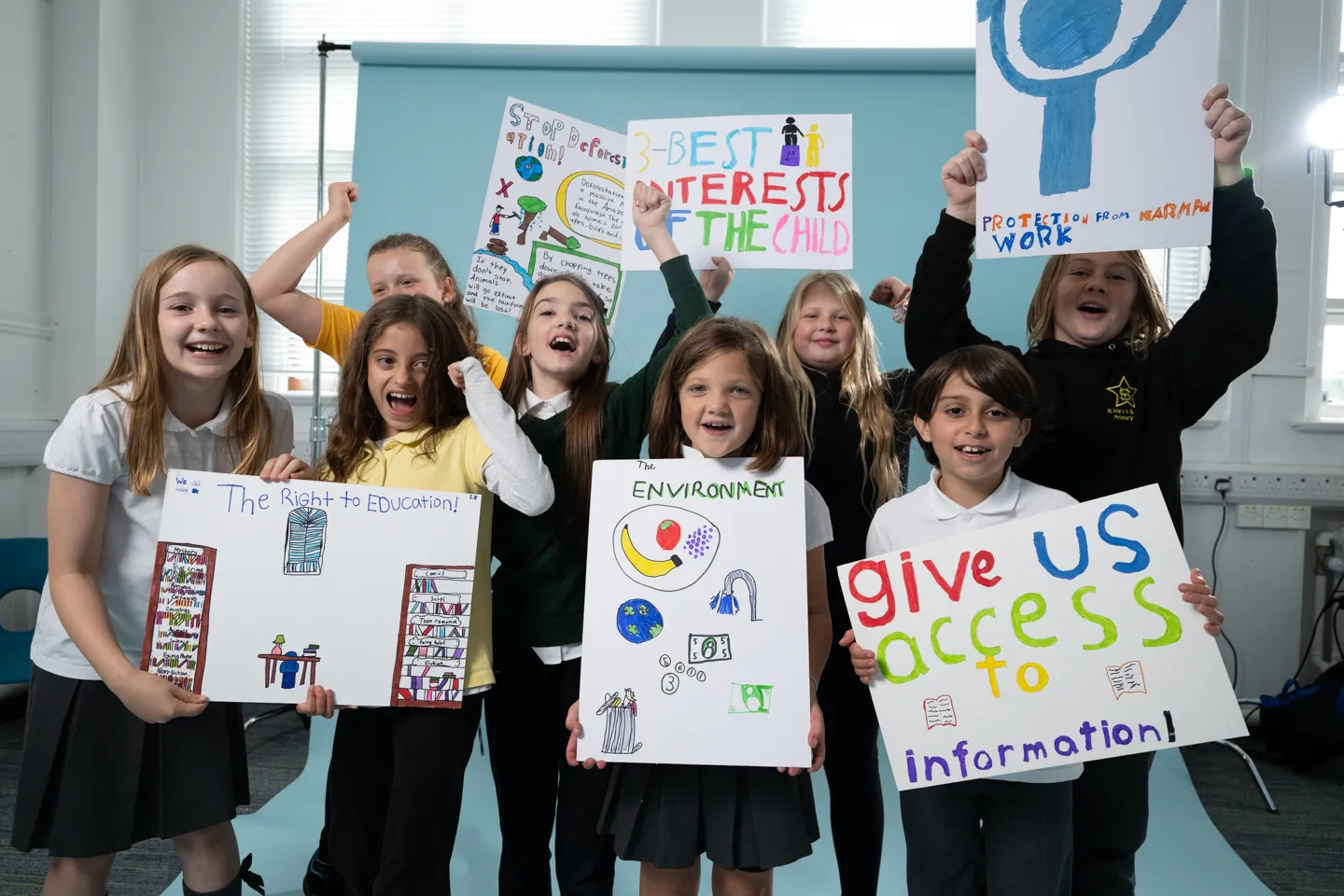
Through several programmes, we are working to secure children’s rights in the UK and help them overcome challenges that affect their development from birth. This includes child poverty, abuse, mental health and more.
Read more about our work in the UK and our work with young people.